Which Percentage Is the Best Tint for Car Windows? Complete Buyer Guide
Choosing the wrong window tint can create more problems than it solves. A tint that looks great in photos may feel too dark at night. A cheaper film may fade faster than expected. A darker percentage may also create legal concerns if it does not match Pennsylvania tint rules. That is why the best tint for car windows depends on more than looks. It depends on your vehicle, driving habits, comfort goals, local laws, and the type of film you choose.
For Pittsburgh drivers, window tint is not just a style upgrade. It helps reduce glare during daily commutes, improves cabin comfort during warm months, protects the interior from UV damage, and gives your vehicle a cleaner finished look. However, the best choice is rarely the darkest choice. In many cases, a lighter ceramic film can outperform a dark dyed film because it blocks more infrared heat while keeping visibility clear. Prestige Auto Armor helps drivers in the Greater Pittsburgh Area choose XPEL window tint packages based on real performance, not guesswork. Their available XPEL options include XPEL PRIME CS, XPEL PRIME XR Ceramic, and XPEL PRIME XR Plus. These films offer different levels of heat rejection, UV protection, privacy, and long-term value. Also, XPEL services are now registered with CarFax in the U.S. and Canada, which means qualifying services such as window tint, paint protection film, ceramic coatings, and windshield protection film can be added to your vehicle’s CarFax report.
In this complete buyer guide, you will learn what tint percentages mean, which percentage works best for different needs, how ceramic, carbon, and dyed tint compare, and why professional installation matters when choosing the best tint for car windows in Pittsburgh, PA.
1. What Is the Best Tint Percentage for Car Windows?
The best tint percentage for car windows is the one that gives you the right mix of comfort, visibility, privacy, style, and legal compliance. For many everyday drivers, 35% tint is often seen as a practical middle ground because it gives the vehicle a darker, cleaner look without making the windows too difficult to see through at night. However, the right choice depends on how you use your vehicle. If you drive often after dark, a very dark tint like 5%, 15%, or even 20% may feel too restrictive. If you want a subtle upgrade with strong comfort benefits, a lighter ceramic tint such as 50% or 70% may be a better option. This is especially important for Pittsburgh, PA drivers who deal with changing weather, bright summer sun, winter glare, and daily city or highway driving. The best tint for car windows should improve your driving experience without creating visibility issues or legal concerns.
Window tint percentage is measured by Visible Light Transmission, also called VLT. VLT tells you how much visible light can pass through the glass. A higher percentage means a lighter tint, while a lower percentage means a darker tint. For example, 70% tint looks almost clear because it allows more light through, while 35% tint creates a balanced shaded appearance. A 20% tint offers more privacy and a darker look, while 5% tint is extremely dark and is often called limo tint. In Pennsylvania, drivers should also consider local tint laws before choosing a percentage, since certain windows may need to meet light transmission requirements. That is why the best choice is not always the darkest film. If heat rejection is your main goal, a premium ceramic film from
Prestige Auto Armor, such as XPEL PRIME XR or XR Plus, can provide strong infrared heat rejection even in lighter percentages. This helps you stay cooler, protect your interior, and maintain clear visibility while choosing a tint package that fits your vehicle and driving needs.
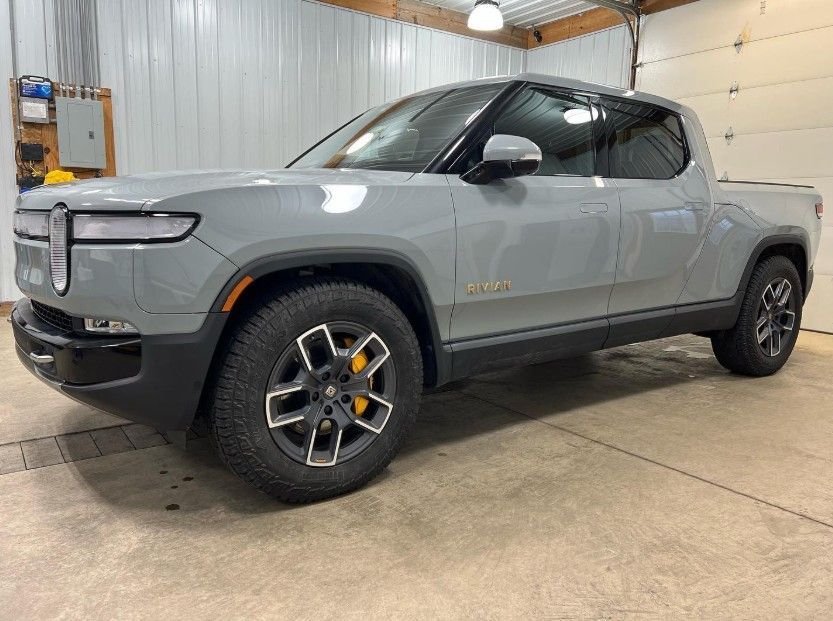
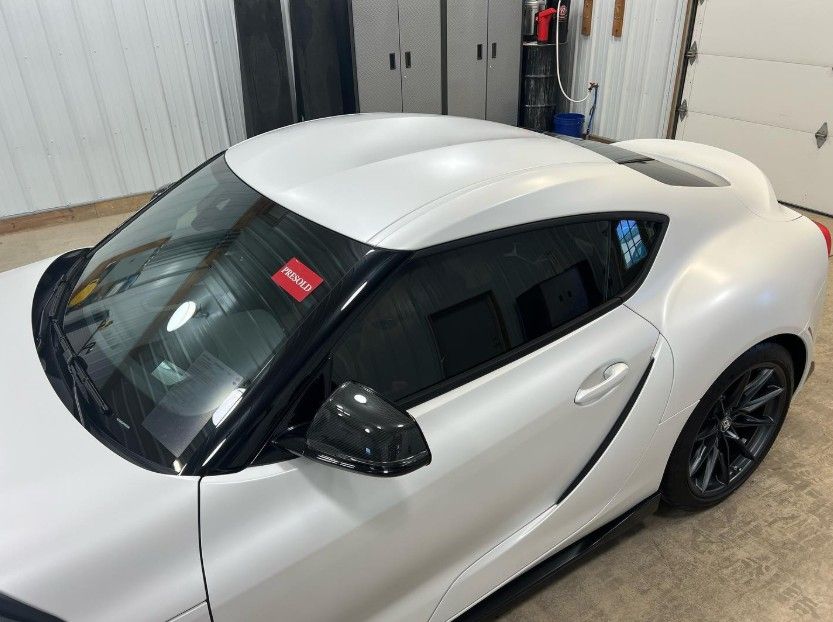
2. How to Choose the Best Tint Percentage for Your Car
Choosing window tint should be a step-by-step process. You should not choose a percentage only because it looks good on another vehicle. Different cars have different glass, interiors, visibility needs, and legal limits.
Step 1: Define Your Primary Goal
Start with the main reason you want window tint. This helps you avoid choosing a film that looks good but does not solve your actual problem.
Common goals include:
- Reducing heat inside the vehicle
- Improving privacy
- Reducing glare
- Protecting leather, plastic, and upholstery from UV exposure
- Creating a cleaner appearance
- Improving comfort for children or passengers
- Keeping the vehicle closer to legal compliance
If heat is your main concern, do not focus only on darkness. A premium ceramic tint can reject more heat than a darker budget film. For example, XPEL PRIME XR Ceramic can reject up to 85% infrared heat, while XPEL PRIME XR Plus can reject up to 96% infrared heat based on the provided package details. This makes ceramic tint a strong option for drivers who want performance without needing a very dark appearance.
Step 2: Understand Local Pennsylvania Tint Laws
Before selecting a percentage, check Pennsylvania tint laws for your vehicle type. PennDOT lists 70% minimum light transmittance for windshields and front side windows across several vehicle categories. For 1998 and newer passenger cars, PennDOT lists 70% for the windshield, front side windows, rear side windows, and rear window. For trucks and multi-purpose passenger vehicles, PennDOT lists 70% for the windshield and front side windows, with no requirement for rear side windows and rear windows. This matters because many drivers search for darker tint percentages like 20%, 15%, or 5%, but those percentages may not be suitable for all windows or vehicles under Pennsylvania rules. Medical exemptions may be available for colorless window tint products that filter ultraviolet light, according to PennDOT.
For safety and compliance, speak with a professional installer before choosing a tint percentage. A local installer can explain which options may fit your vehicle and your intended use.
Step 3: Compare Tint Types: Ceramic, Carbon, and Dyed
Tint percentage tells you how dark the film appears. Tint type tells you how well it performs. This is one of the biggest mistakes buyers make. They compare darkness only, then miss the differences in heat rejection, clarity, durability, and longevity.
Here is a simple breakdown:
- Dyed tint: Usually more affordable. It improves appearance, reduces glare, and adds privacy. However, it does not provide ceramic-level heat rejection.
- Carbon tint: Offers better durability and heat performance than many dyed films. It usually has a matte finish and does not fade as quickly as basic dyed tint.
- Ceramic tint: Offers the best overall performance for many drivers. It can block high levels of infrared heat, reduce UV exposure, maintain clarity, and avoid electronic signal interference.
Prestige Auto Armor’s XPEL PRIME CS is a cost-effective dyed film option. It blocks over 99% of UV rays, reduces glare, enhances privacy, and does not interfere with GPS or phone signals. However, it does not provide ceramic-level heat rejection. XPEL PRIME XR and XR Plus are ceramic options designed for stronger heat rejection, long-lasting durability, and premium clarity.
Step 4: Select the Right Percentage for Your Lifestyle
Your driving habits should shape your tint choice. A weekend show car, family SUV, daily commuter, and work truck may all need different tint setups.
Consider these factors:
- Do you drive often at night?
- Do you park outside during the day?
- Do you carry children or passengers often?
- Do you want privacy or a subtle look?
- Do you care more about heat rejection or darkness?
- Do you need to stay close to Pennsylvania legal limits?
- Do you drive in city traffic, highways, or rural roads?
For many Pittsburgh drivers, a 35% to 70% range may provide a more practical daily driving experience than very dark tint. However, ceramic film changes the decision. A 70% ceramic film may look light but still deliver strong heat and UV protection. Therefore, the best tint for car windows is not always the lowest percentage.
Step 5: Choose a Professional Installer Like Prestige Auto Armor
Professional installation affects how your tint looks, performs, and lasts. Even a premium film can disappoint if the installation has bubbles, dust, uneven edges, or poor fitment. Also, a professional installer can explain your film options, discuss legal concerns, and help match the percentage to your vehicle.
Prestige Auto Armor offers XPEL window tint film packages in the Greater Pittsburgh Area. Their options include budget-friendly dyed tint, premium ceramic tint, and top-tier ceramic performance through XPEL PRIME XR Plus. This gives buyers a clear good, better, and best pathway based on comfort goals and budget. For drivers comparing the best tint for car windows, this professional guidance can prevent costly mistakes.
3. Tint Percentage Breakdown: Which One Is Right for You?
Each tint percentage has a different purpose. Some percentages work better for privacy. Others work better for visibility. Some are best for rear windows, while others are better for legal compliance or windshield applications where allowed.
5% Tint: Maximum Privacy, Minimum Visibility
A 5% tint allows only 5% of visible light through the glass. This is extremely dark. Many people call it limo tint. It creates a bold, private look, but it can also make nighttime driving difficult.
This tint may work best for certain rear windows where allowed, but it is usually not a smart choice for front side windows. It can reduce visibility in low-light areas, parking lots, and during bad weather.
Choose 5% tint only if:
- You want maximum privacy.
- You understand the visibility tradeoff.
- The application is legally allowed.
- You do not rely on those windows for critical driving visibility.
- A professional installer confirms it fits your vehicle use.
For most daily drivers in Pittsburgh, 5% is more aggressive than necessary.
15% Tint: High Privacy With Limited Night Visibility
A 15% tint gives a dark, custom appearance. It provides strong privacy and a sleek style. It is popular with drivers who want a more dramatic look without going as dark as 5%.
However, 15% tint can still reduce visibility at night. It may also create legal concerns when used on certain windows. Before choosing 15%, ask whether the window location and vehicle type make sense under Pennsylvania rules.
This option may suit drivers who want:
- A darker custom look
- Better privacy
- Strong glare reduction
- A stylish rear-window appearance where allowed
Still, it may not be ideal for front windows or drivers who spend a lot of time driving after dark.
20% Tint: Balanced Privacy and Usability
A 20% tint is one of the most common dark tint choices. It creates good privacy, especially on SUVs and trucks. It still looks dark from the outside, but many drivers find it more usable than 5% or 15%. That said, 20% tint is still dark. It may not be the best option for every window or legal application. It also may feel too dark for people who drive often at night or in rainy conditions.
A 20% tint may be right for you if:
- You want privacy without limo-level darkness.
- You like a strong custom look.
- You drive an SUV or truck and want rear-window privacy where allowed.
- You review legal requirements first.
- You choose a high-quality film for better clarity.
For many buyers, 20% is a style-first choice. If your top goal is heat rejection, a lighter ceramic film may be better.
35% Tint: Most Popular Choice for Daily Drivers
A 35% tint is often considered one of the best tint percentage options for daily driving. It gives a noticeable shaded look, but it does not feel as dark as 20%, 15%, or 5%. It also tends to support better nighttime visibility. Many drivers choose 35% because it balances style, comfort, and usability. It can reduce glare, enhance appearance, and add some privacy without making the vehicle feel overly dark.
A 35% tint may be a strong choice if you want:
- A balanced look
- Better visibility than darker tint
- A clean style upgrade
- Moderate privacy
- A practical daily driver setup
However, Pennsylvania compliance still matters. Do not assume 35% is legal for every window or vehicle. Always confirm before installation.
50% Tint: Subtle Protection Without a Dark Appearance
A 50% tint allows half of visible light through. It creates a lighter, cleaner look. It is ideal for drivers who do not want a dark appearance but still want glare reduction, UV protection, and improved comfort. When paired with ceramic film, 50% tint can be a smart performance choice. It may not look dramatic, but it can still reduce heat and protect the interior.
Choose 50% tint if:
- You prefer a subtle appearance.
- You want better visibility.
- You care more about comfort than privacy.
- You want a refined look.
- You are considering ceramic film for performance.
This option works well for drivers who want benefits without drawing attention.
70% Tint: Nearly Clear With Strong UV Protection
A 70% tint is very light. Many people choose it when they want UV protection, heat rejection, and legal-friendly visibility without a dark look. It is often used when compliance and clarity matter most. A major advantage of 70% tint is that it pairs well with premium ceramic films. With XPEL PRIME XR or XR Plus, drivers can get strong heat rejection while keeping the windows light and clear.
A 70% ceramic tint can be a smart choice for:
- Windshield applications where allowed
- Drivers who want maximum visibility
- Luxury vehicles with clean factory styling
- Legal-conscious buyers
- Heat rejection without a dark appearance
For Pittsburgh drivers who want comfort without a dramatic look, 70% ceramic may be one of the best tint for car windows options.
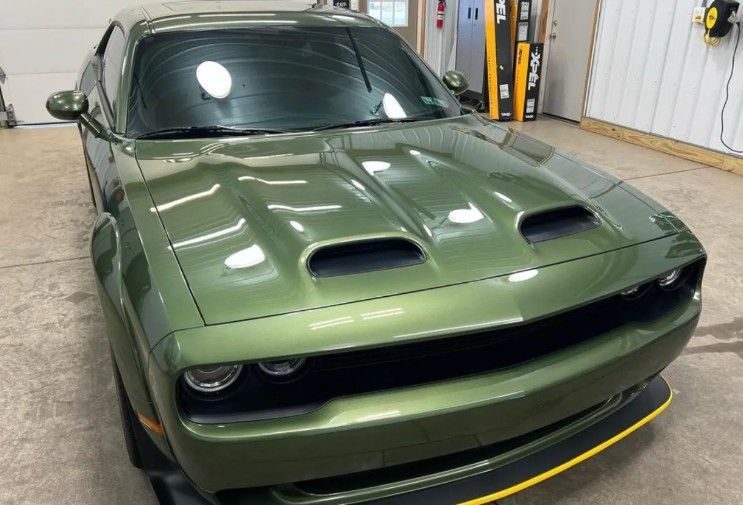
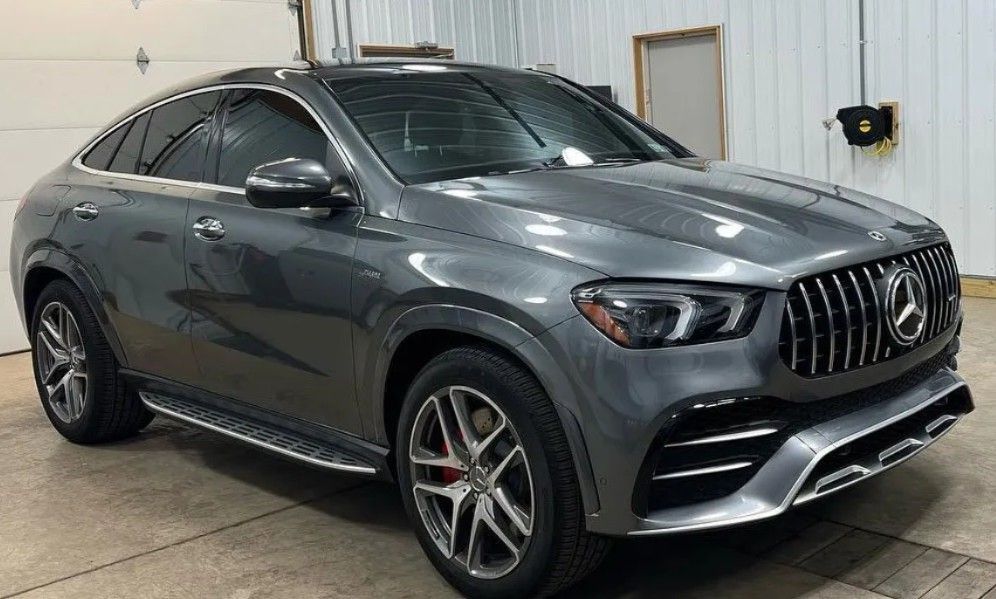
4. Ceramic vs Carbon vs Dyed Tint: Which Is Best?
The best window tint type depends on your budget and performance goals. However, ceramic tint is usually the best choice for drivers who want heat rejection, clarity, and long-term value.
Dyed tint
Dyed tint is the entry-level option. It uses dye layers to darken the glass. It improves appearance, reduces glare, and adds privacy. It can be a good choice for budget-focused buyers who mainly want style. Prestige Auto Armor’s XPEL PRIME CS fits this category. It gives a classic black look, blocks over 99% of UV rays, and comes with reliable durability. It is a good choice if you want a cost-effective tint package.
Carbon tint
Carbon tint is a mid-range option. It usually performs better than basic dyed tint and can provide a rich finish. It resists fading better than many dyed films. However, it may not match ceramic tint for infrared heat rejection and premium clarity.
Ceramic tint
Ceramic tint is the high-performance option. It uses advanced ceramic technology to reject infrared heat while maintaining clear visibility. It does not rely on metal, so it should not interfere with GPS, phone, or radio signals. Prestige Auto Armor’s XPEL PRIME XR Ceramic and XPEL PRIME XR Plus fall into this premium category.
If you are searching for the best tint for car windows, ceramic is often the top recommendation because it solves the widest range of problems. It improves comfort, protects the interior, reduces glare, and maintains a premium appearance. The best tint type depends on what matters most to you. If you want the strongest heat rejection, clear visibility, and long-term value, ceramic tint is the best choice. If you want a stylish appearance with better durability than basic dyed film, carbon tint may be a good middle option. If you want an affordable upgrade that improves privacy and appearance, dyed tint can work well. Each option has a place, but they do not perform the same.
For most Pittsburgh drivers, ceramic tint is usually the best tint for car windows because it handles more needs at once. It helps reduce heat, blocks UV rays, improves comfort, lowers glare, and keeps the vehicle looking clean. More importantly, ceramic tint can perform well even in lighter percentages, which helps drivers balance comfort with visibility and legal considerations. Prestige Auto Armor can help you compare XPEL PRIME CS, XPEL PRIME XR Ceramic, and XPEL PRIME XR Plus so you can choose the right tint type for your vehicle, budget, and driving habits.
5. Compare Tint Percentages
Tint percentages should be compared by comfort, privacy, visibility, and legal use. The darkest film is not always the best film. In fact, the right film type can often matter more than the darkness level.
5% Tint: Maximum Privacy, Very Dark Appearance
A 5% tint is the darkest common option. It is often called limo tint because it creates a nearly blacked-out appearance. People choose it for maximum privacy and a dramatic look. However, this option has major tradeoffs. It can make it harder to see through the windows at night. It may also create problems in parking garages, poorly lit streets, and rainy conditions. In addition, it is not ideal for all legal applications.
5% tint works best for certain rear windows where allowed. It is not usually the best choice for front side windows. Drivers should choose it only after reviewing visibility needs and local laws.
15% Tint: Dark, Stylish, and Private
A 15% tint is still very dark, but it is slightly more usable than 5%. It gives a stylish and private appearance. Many drivers like it because it gives the vehicle a custom look. However, it may still be too dark for some drivers. It can reduce nighttime visibility and may not be ideal for front windows where laws are strict. In Pennsylvania, drivers should be careful with this percentage and confirm the correct application before installation.
This percentage works best for buyers who want privacy and style but still want a little more visibility than limo tint.
20% Tint: Popular Privacy Option
A 20% tint is common on SUVs, trucks, and vehicles where drivers want stronger privacy. It looks dark from the outside and can help keep valuables less visible. However, 20% is still a dark tint. It needs legal review before installation. It may also feel too dark for drivers who prefer a lighter cabin or who drive often at night.
This percentage may be a good fit for rear windows where allowed. It creates a strong appearance without going as dark as 5%.
35% Tint: Balanced Look and Visibility
A 35% tint gives a moderate shade. It looks clean and stylish without appearing too dark. It also provides better nighttime visibility than 5%, 15%, or 20%. Many drivers view 35% as the practical middle ground. It can reduce glare, improve appearance, and add comfort while keeping the cabin easier to see out of.
This percentage is often a strong choice for daily drivers. Still, legal requirements must guide the final decision.
45% to 55% Tint: Light Shade With Better Visibility
Tint in the 45% to 55% range gives a lighter appearance. It suits drivers who want comfort without a very dark look. It also supports better visibility during night driving. This range works especially well with ceramic film. A 45%, 50%, or 55% ceramic film can reject heat while keeping the vehicle looking subtle. This is a smart option for drivers who value clean design, visibility, and comfort.
Consider this range if you want:
- A refined appearance
- Good daytime comfort
- Better nighttime visibility
- Stronger performance when paired with ceramic film
It is also a good choice for drivers who do not want their tint to look too obvious.
70% Tint: Light Appearance, Strong Legal and Ceramic Performance Potential
A 70% tint looks very light. Some drivers barely notice the difference in appearance. However, when paired with high-performance ceramic film, it can still deliver strong benefits. This option is often preferred where legal compliance is the priority. It is also useful when heat rejection matters more than darkness. With XPEL PRIME XR or XR Plus, a lighter tint can still provide impressive comfort because the ceramic technology targets infrared heat.
70% tint is a good fit for drivers who want:
- Clear visibility
- A subtle look
- UV protection
- Heat rejection with ceramic film
- A legal-conscious setup
For many Pittsburgh drivers, 70% ceramic is the smart answer when they want performance without a dark appearance.
6. Why Choose Prestige Auto Armor for Window Tint in Pittsburgh
Prestige Auto Armor gives Pittsburgh drivers a clear path to better window tint decisions. Instead of choosing only by percentage, you can compare film type, heat rejection, appearance, and budget.
Their XPEL window tint film packages include:
- XPEL PRIME CS: A cost-effective dyed window film. It delivers a classic black look, blocks over 99% of UV rays, reduces glare, enhances privacy, and offers reliable durability. It provides up to 28% infrared heat rejection.
- XPEL PRIME XR Ceramic: A premium ceramic window tint. It helps keep your interior cooler, blocks 99% of harmful UV rays, provides clear visibility, avoids electronic signal interference, and offers up to 85% infrared heat rejection.
- XPEL PRIME XR Plus: XPEL’s highest-performance tint option. It delivers maximum heat rejection, exceptional clarity, strong glare reduction, zero electronic interference, and up to 96% infrared heat rejection.
This makes Prestige Auto Armor a strong choice for drivers who want more than a basic tint job. Their packages support different needs, from budget style to premium heat rejection. Also, the CarFax integration adds another benefit. When you choose XPEL services such as window tint, paint protection film, ceramic coatings, or windshield protection film, those enhancements can be added to the vehicle’s CarFax report. This can help document the work performed on your vehicle. If you live in Pittsburgh or the Greater Pittsburgh Area, professional installation matters. Local driving includes bright summer days, winter glare, city traffic, and changing weather. A trained installer can help you choose a film that supports comfort, visibility, and long-term value.
Conclusion
The best tint for car windows depends on your main goal. If you want maximum privacy, darker options like 20%, 15%, or 5% may seem appealing, but they come with visibility and legal concerns. If you want a balanced daily driving option, 35% can offer a clean look with better usability. If you want strong comfort, clear visibility, and better legal alignment, 50% or 70% ceramic tint may be the better long-term choice. The biggest takeaway is simple: tint percentage controls darkness, but tint type controls performance. A premium ceramic tint can reject more heat than a darker basic film. That means you do not always need very dark windows to enjoy a cooler cabin, reduced glare, and UV protection.
For Pittsburgh drivers, the smartest choice is to compare your goals, review Pennsylvania tint rules, and choose a professional installation team that understands film performance. Prestige Auto Armor offers XPEL window tint packages designed for different budgets and comfort levels, from XPEL PRIME CS to XPEL PRIME XR Ceramic and XPEL PRIME XR Plus. If you want help choosing the best tint for car windows in Pittsburgh, PA, contact Prestige Auto Armor today to request a quote and find the right XPEL window tint package for your vehicle.