10 Common Causes of Car Paint Damage Most Vehicle Owners Overlook
Car paint can suffer damage from far more than major Marks, collisions, or obvious accidents. In fact, many of the most common car paint damage causes are everyday hazards that drivers barely notice until the finish begins to look dull, chipped, stained, scratched, or uneven. Road debris can strike the front bumper and hood. Bird droppings can leave acidic residue on the clear coat. UV exposure can slowly reduce gloss. Improper washing can create fine Marks across painted surfaces. Even tree sap, road salt, insects, fuel spills, and automatic car washes can contribute to paint deterioration over time. Understanding these threats early gives vehicle owners a much better chance of preserving their vehicle's appearance, protecting the factory finish, and avoiding unnecessary paint correction or repainting later.
For vehicle owners throughout Pittsburgh and the surrounding areas of Pennsylvania, paint protection can be especially important because vehicles experience changing seasons, highway debris, winter road treatments, rain, snow, summer sunlight, and frequent temperature changes.
Prestige Auto Armor helps drivers reduce exposure to many of these everyday hazards through professional paint protection solutions, including XPEL paint protection film. Rather than waiting until chips, Marks, stains, and weathering are already visible, vehicle owners can protect vulnerable areas before repeated driving conditions take their toll. Depending on how a vehicle is used, Prestige Auto Armor offers multiple levels of PPF coverage, from targeted front-end protection to complete painted-surface coverage, allowing drivers to select protection based on their vehicle, driving habits, budget, and long-term ownership plans.
1. Road Debris and Small Stones Can Damage Paint Faster Than Expected
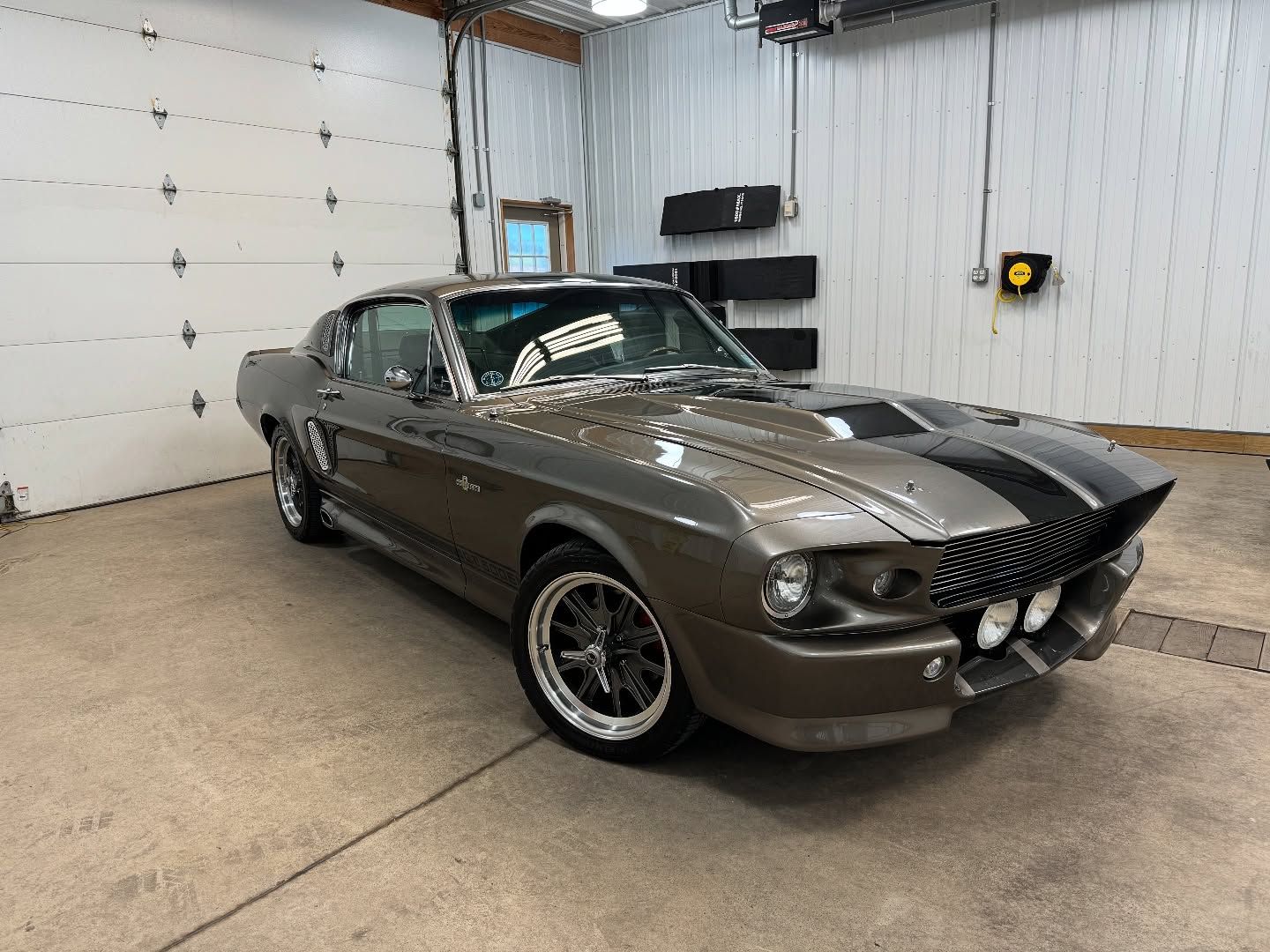
One of the most overlooked threats to vehicle paint is ordinary road debris. Small stones, gravel, sand, loose pavement, and other particles can be thrown toward a vehicle by traffic ahead. At highway speeds, even a small stone can strike with enough force to chip the clear coat and paint underneath. The front bumper, hood, front fenders, mirror caps, rocker panels, and areas around the wheel arches are particularly vulnerable because they face direct exposure while driving. Damage may begin as several tiny marks that appear insignificant individually. However, repeated impacts can gradually create a front end covered with chips and small imperfections. Pittsburgh drivers who regularly travel on highways, construction routes, or roads affected by freeze-thaw cycles may encounter these hazards more frequently.
Road debris is especially important because drivers cannot fully control it. Leaving extra space behind another vehicle may reduce some exposure, but stones can still be launched from neighboring lanes or passing trucks. Furthermore, winter and early spring conditions can leave additional loose material on Pennsylvania roads. Protective film is therefore useful because it creates a physical barrier between the painted surface and many minor impacts. Areas that often receive the most debris include:
- Front bumpers that directly face traffic and loose road material
- Hood edges that receive repeated small stone impacts
- Front fenders located near the tires and wheel wells
- Side mirrors exposed to highway debris
- Rocker panels positioned low along the vehicle
- Lower doors that may receive debris from tires
- Areas in front of and behind the rear wheels
Recognizing these high-impact zones is an important first step when deciding how much paint protection a vehicle may need.
2. Bird Droppings and Bug Residue Can Etch the Clear Coat
Bird droppings may look like a simple cleaning problem, but allowing them to remain on a painted surface can increase the risk of staining or etching. Their chemical composition, combined with heat and sunlight, can affect the clear coat if contamination remains in place for too long. The same concern applies to insects that strike the bumper, hood, headlights, or mirror caps. Bug residue can dry onto the surface and become increasingly difficult to remove. Aggressive scrubbing then introduces another problem because excessive pressure or rough materials may create Marks while attempting to clean away the contamination. These biological contaminants are among the car paint damage causes that owners sometimes underestimate because the visible damage may not appear immediately.
The best response is prompt and careful removal. A suitable automotive cleaner, soft microfiber towel, and gentle washing method can reduce unnecessary abrasion. Owners should avoid scraping dried contamination from the finish or using household products that were not designed for automotive paint. During warmer weather, contamination may dry more quickly, making regular inspection even more important. Pay particular attention to:
- The hood after highway driving
- Front bumpers after long trips
- Side mirrors where insects frequently collect
- Roof surfaces beneath trees or utility wires
- Trunk lids and rear spoilers
- Horizontal surfaces that receive direct sunlight
Paint protection film cannot eliminate the need to clean a vehicle, but it can provide an additional sacrificial layer over covered paint, helping the factory finish remain separated from many forms of everyday contamination.
3. UV Exposure Can Gradually Reduce Paint Gloss and Color Quality
Sunlight affects vehicle paint gradually, which makes UV-related deterioration easy to overlook. A vehicle that spends much of its life outdoors may experience prolonged exposure to ultraviolet radiation, heat, moisture, and environmental contamination. Modern automotive clear coats are engineered to provide durability, but they are not immune to aging. Over many years, poorly maintained paint can lose some of its original gloss, clarity, and visual depth. Darker colors may make certain imperfections more visible, while neglected painted trim and horizontal surfaces can begin to look weathered. Because this process happens slowly, many owners only recognize the difference when they compare frequently exposed panels with areas that receive less sunlight.
Parking indoors or under covered parking is helpful when available. However, many drivers in Greater Pittsburgh rely on outdoor parking at home, work, shopping areas, and public spaces. Consistent maintenance therefore matters. Washing away contamination, using suitable protective products, and addressing surface problems early can support paint preservation. Vehicle owners should also remember that paint protection strategies work best when they are preventative. Waiting until oxidation, staining, heavy scratching, or extensive chipping has developed may require correction before protection can be installed. For drivers who plan to keep a vehicle for several years, protecting vulnerable paint early can make long-term maintenance easier and help preserve a cleaner appearance.
4. Improper Washing Techniques Can Create Swirls and Fine Marks
Improper washing is one of the most preventable car paint damage causes, yet it remains extremely common. Dirt sitting on a vehicle contains fine particles that can behave like abrasives when dragged across paint. Using a dirty wash mitt, old sponge, household towel, stiff brush, or contaminated drying cloth can move those particles repeatedly across the clear coat. Over time, this can create swirl marks and fine Marks that become especially visible under direct sunlight or strong artificial lighting. Black and other dark-colored vehicles tend to show this type of damage clearly, but every paint color can develop wash-related imperfections. Even drying a dusty vehicle without first washing away loose contamination can contribute to scratching.
Automatic car washes can also deserve careful consideration. Some systems use rotating brushes or cloth material that contacts many vehicles during the day. If contamination remains trapped in those materials, it may be transferred across the next vehicle's finish. Touchless washes reduce physical contact but may rely on stronger cleaning chemicals. Vehicle owners who want to reduce wash-related damage should focus on controlled cleaning methods, including:
- Rinsing loose dirt before touching painted surfaces
- Using clean wash media designed for automotive finishes
- Washing from cleaner upper areas toward dirtier lower areas
- Using separate towels for wheels and painted surfaces
- Drying with clean, soft microfiber towels
- Avoiding heavy pressure on contaminated panels
- Washing towels and mitts regularly
Proper washing does not require complicated techniques. However, cleaner tools and less friction can make a significant difference over the life of the vehicle.
5. Tree Sap, Pollen, and Environmental Fallout Can Bond to Paint
Parking beneath trees can provide useful shade, but it can also expose the vehicle to tree sap, pollen, leaves, bird activity, and other organic contamination. Tree sap can become particularly troublesome because it may harden as it sits on the surface. Attempting to remove hardened sap with fingernails, sharp tools, or aggressive scrubbing can damage the clear coat. Pollen appears much less threatening, but rubbing a layer of dry pollen across paint may also create unnecessary friction. Industrial fallout, airborne particles, and other environmental contaminants can attach to the surface as well, making paint feel rough even after a normal wash.
Drivers should avoid assuming that every bonded contaminant can be safely removed with ordinary soap and pressure. Some contamination requires appropriate detailing products or professional decontamination techniques. If the paint feels rough after washing, additional treatment may be needed rather than harder scrubbing. Common environmental contaminants that deserve attention include:
- Tree sap
- Pollen
- Bird droppings
- Airborne industrial particles
- Road film
- Tar
- Dried insects
- Mineral deposits from hard water
- Brake and rail dust particles
The longer certain contaminants remain attached to paint, the more difficult removal may become. Therefore, regular inspection and timely cleaning are important parts of paint preservation, especially for vehicles that remain outdoors for extended periods.
6. Winter Salt, Road Grime, and Moisture Can Be Hard on Pittsburgh Vehicles
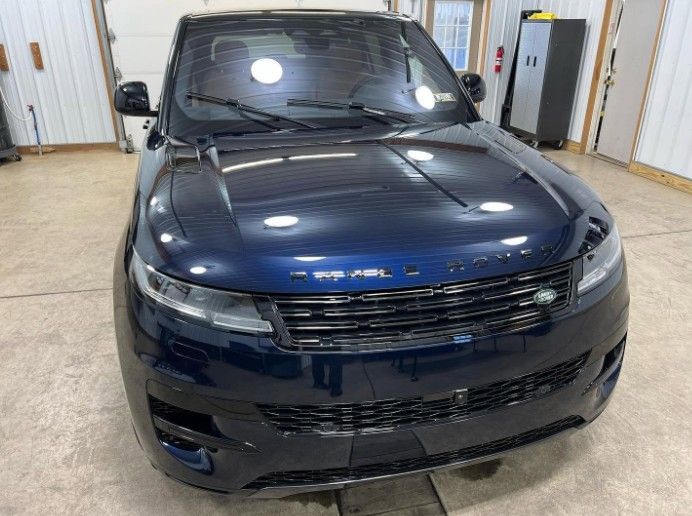
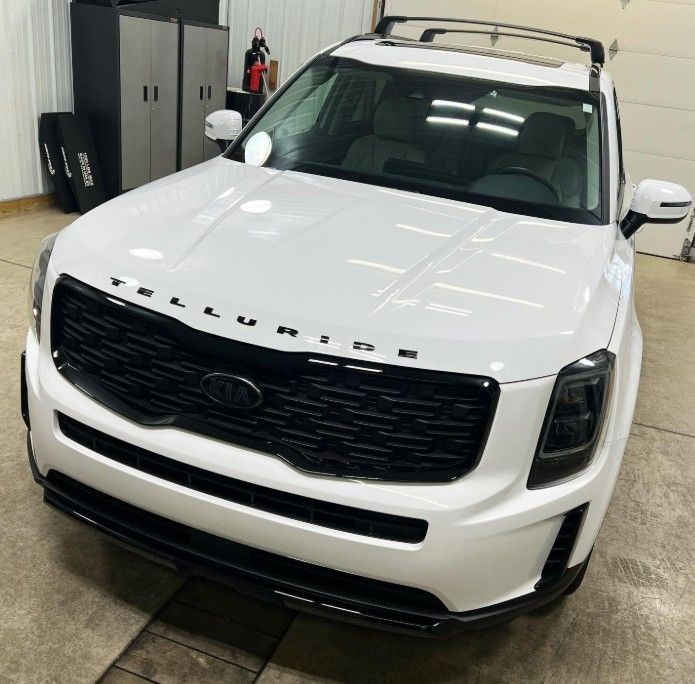
Pittsburgh's seasonal conditions create another important paint-care challenge. During colder months, road treatments can combine with moisture, snow, slush, dirt, and traffic residue. This mixture can collect behind wheels, along rocker panels, around lower doors, on bumpers, and across other areas close to the road. It may remain there for days if the vehicle is not cleaned regularly. While winter grime may initially appear to be only a cosmetic issue, repeated exposure can make vehicle maintenance harder and can hide chips or surface damage that should be addressed. Spring can create its own problems because potholes, loose pavement material, construction debris, and gravel may increase after repeated freezing and thawing.
For Pittsburgh drivers, seasonal maintenance should therefore include more than occasional cosmetic washing. Inspect high-impact areas throughout the year. Clean road residue regularly when temperatures allow. Look for new chips after winter highway driving. Remove contamination instead of allowing repeated layers to accumulate. Protective film can be especially valuable for frequently exposed areas because it places a durable film over the paint rather than leaving the clear coat directly exposed. The purpose is not to make the vehicle maintenance-free. Instead, protection can reduce the amount of direct wear reaching the original painted surface during daily use.
7. Fuel Spills, Harsh Chemicals, and Incorrect Cleaning Products Can Affect Paint
Fuel spills around the filler door are another commonly ignored risk. Drivers sometimes allow gasoline to drip down a quarter panel and assume rain or the next wash will remove it. However, fuel and other chemicals should be cleaned promptly rather than left on painted surfaces. Similarly, household cleaners, aggressive degreasers, abrasive compounds, and chemicals with inappropriate dilution ratios can create staining, dullness, or other finish problems. Not every product that removes dirt safely from floors, kitchens, wheels, or engines should be used on automotive paint. The clear coat needs products intended for exterior automotive finishes.
This is one reason owners should be cautious when attempting aggressive DIY stain removal. If ordinary washing does not remove a mark, increasing chemical strength or scrubbing harder may worsen the problem. Instead, identify the contaminant and use a suitable removal process. When uncertain, professional assessment can be safer than experimenting on a visible painted panel. Chemical-related car paint damage causes are often avoidable because the problem usually comes from leaving contamination too long or using an unsuitable product. Prompt cleanup, correct chemicals, clean towels, and gentle techniques help lower unnecessary risk.
8. Parking Damage, Door Edges, and Daily Contact Create Small but Visible Marks
Not all paint damage happens while the vehicle is moving. Parking lots, garages, driveways, and loading areas can expose paint to repeated contact. Shopping carts can strike bumpers or doors. Another vehicle's door may hit a side panel. Fingernails and rings can leave fine marks around door handles. Shoes can scrape painted rocker panels. Luggage can contact the rear bumper while being loaded into the trunk. Door edges can touch garage walls or neighboring vehicles. These incidents may seem small, but repeated contact can gradually affect the finish, especially on vehicles that are used every day.
Vehicle owners can reduce some risk through careful parking and awareness, but complete avoidance is unrealistic. This is where strategic protection becomes useful. Instead of assuming every painted surface needs identical protection, consider where contact actually occurs. A commuter may prioritize the front end and rocker panels. A family SUV may benefit from protection near door edges and cargo loading areas. A sports car driven primarily on highways may need stronger coverage across the front and lower body. Matching protection to real-world use is often more practical than choosing coverage solely based on vehicle age or purchase price.
9. How to Reduce Everyday Car Paint Damage Before It Becomes Permanent
Preventing paint damage begins with understanding which surfaces receive the most exposure. Start by looking closely at the front bumper, hood, mirror caps, fenders, rocker panels, lower doors, wheel arches, and rear bumper. Then consider how the vehicle is actually driven. Highway commuters face different hazards than vehicles used mainly for short city trips. Vehicles parked outside face different contamination than garage-kept vehicles. Owners who travel frequently may encounter more road debris and insects, while family vehicles may experience more loading-related contact and parking-lot use. This practical assessment makes it easier to choose a protection strategy that fits the vehicle rather than simply applying a generic solution.
A sensible paint-protection process may include the following steps:
- Inspect the paint for existing chips, Marks, stains, and contamination.
- Clean and decontaminate the surface properly before adding protection.
- Identify panels that experience the most road impacts or physical contact.
- Consider whether partial-front, full-front, extended, or full-body coverage makes sense.
- Use safe washing and drying methods after protection is installed.
- Inspect the vehicle periodically so new problems can be addressed early.
Preventative protection is usually most effective before extensive wear develops. However, even an existing vehicle can often benefit after its paint has been properly prepared.
Why Paint Protection Film Helps Reduce Common Paint Damage
Paint protection film, commonly called PPF or clear bra, is designed to cover painted surfaces with a transparent protective layer. Because the film sits above the factory paint, minor road impacts, environmental contamination, and ordinary surface exposure reach the film first. This makes PPF particularly valuable on high-impact areas such as bumpers, hoods, fenders, mirrors, rocker panels, and lower doors. It is important to understand that PPF does not make a vehicle completely damage-proof. A severe collision, deep impact, or sharp object can still cause damage. However, quality film can significantly reduce the direct exposure that painted surfaces receive during everyday driving.
PPF is especially appealing to owners who want protection without changing the original appearance of their vehicle. Clear film allows the factory paint color and finish to remain visible. Depending on the selected film and coverage, owners can protect only the areas most likely to receive chips or extend protection across much more of the vehicle. Drivers interested in professionally installed XPEL film can learn more about Prestige Auto Armor's XPEL Clear Bra PPF Installation in Greater Pittsburgh, PA. The ideal coverage depends on road use, vehicle type, expectations, and how long the owner plans to keep the vehicle.
Prestige Auto Armor Paint Protection Packages for Different Levels of Exposure
After understanding the most common car paint damage causes, the next question is how much protection a vehicle actually needs. Prestige Auto Armor offers several paint protection film packages so Greater Pittsburgh drivers can choose coverage that matches their driving environment and priorities. Rather than forcing every customer into the same level of protection, the available packages range from targeted front-end coverage to protection for all painted areas. The films are available in multiple options depending on the package, including 8 mil and 10 mil clear PPF, while certain higher-coverage options may also be available with STEALTH or Color Change PPF.
Bronze Package: Targeted Protection for Key Front-End Areas
The Bronze Package is designed for owners who want protection on critical impact areas without covering the entire front end. Coverage includes the front bumper, partial hood, mirrors, and partial front fenders. These are locations that receive repeated exposure to road debris during everyday driving. For many commuters, this type of targeted coverage provides a practical starting point because it protects the areas that often receive chips first while keeping the overall package focused. The Bronze Package is available with 8 mil or 10 mil clear PPF, allowing customers to discuss the appropriate film option based on their vehicle and protection goals.
Silver Package: Full Front Coverage for More Complete Protection
The Silver Package extends coverage across the complete front of the vehicle. It includes the front bumper, full hood, mirrors, and full front fenders. This approach is especially useful for owners who want consistent protection across adjacent front-end panels rather than stopping midway across the hood or fenders. Since the front end experiences the greatest amount of direct road exposure, full-front coverage can make sense for highway commuters, newer vehicles, performance cars, luxury vehicles, and owners who are particularly concerned about maintaining the appearance of the original paint. The Silver Package can also be installed using 8 mil or 10 mil clear PPF.
Gold Package: Broader Protection for High-Impact Body Areas
The Gold Package extends protection well beyond the front end. In addition to the front bumper, full hood, mirrors, and full front fenders, potential coverage can include painted front fender flares, rocker panels, selected headlights, impact areas near the rear fenders, a partial front roof section, partial A-pillars, lower front or rear doors, sides of the rear bumper, and certain luggage or inner door-sill areas. Exact coverage may vary by vehicle because body design differs between models. This package is particularly relevant for drivers who want to address both frontal road debris and lower-body exposure. Depending on availability and vehicle compatibility, 8 mil or 10 mil PPF options can be selected.
Platinum Package: Extensive Protection Across Painted Surfaces
For owners seeking the highest level of coverage offered by Prestige Auto Armor, the Platinum Package includes all painted areas of the vehicle. Depending on the vehicle, headlights, taillights, piano-black trim, or painted trim may also be included. Coverage details can vary because every vehicle has different shapes, materials, and installation requirements. The Platinum Package is available with multiple film possibilities, including 8 mil, 10 mil, STEALTH, or Color Change PPF, where applicable. Prestige Auto Armor states that its Platinum Package includes a 10-year warranty, although pricing can vary based on vehicle size. This level of coverage may appeal to owners of new, luxury, enthusiast, exotic, performance, or long-term ownership vehicles who want broad protection rather than selecting individual impact zones.
When Should Pittsburgh Vehicle Owners Consider PPF?
The best time to consider paint protection film is before extensive chips, Marks, and environmental wear develop. New vehicles are strong candidates because the original paint can be protected while it is still in excellent condition. However, PPF is not limited to brand-new vehicles. A properly prepared used vehicle may also benefit, especially if the owner plans to keep it for several more years. Highway commuters, frequent travelers, owners of dark-colored vehicles, drivers who encounter construction zones, and people who simply value a clean exterior may find protection particularly worthwhile. The decision should be based on expected exposure rather than assuming every vehicle needs the same treatment.
PPF can also make sense when an owner wants to simplify long-term appearance preservation. It does not replace proper washing, contamination removal, or normal maintenance. Instead, it adds a protective barrier to help reduce direct exposure to many daily hazards. Drivers comparing coverage options can review Prestige Auto Armor's PPF Installation Services in Pittsburgh, PA to understand how different areas of a vehicle can be protected. Choosing between partial-front, full-front, expanded, and full-body PPF should depend on driving habits, ownership goals, vehicle value, preferred appearance, and the amount of surface exposure the owner wants to reduce.
Protect Your Vehicle Before Everyday Damage Becomes Visible
Many car paint damage causes are easy to miss because they happen gradually. A stone chip may seem insignificant. Dried insects may appear harmless. A few automatic car washes may not seem concerning. Winter road film may look temporary. However, repeated exposure to debris, contamination, UV radiation, improper washing, road treatments, parking contact, and harsh chemicals can slowly change the condition of a vehicle's finish. Prevention is therefore easier when owners think about paint protection before visible damage becomes widespread. Regular cleaning, careful washing, prompt contaminant removal, and strategic protection of vulnerable areas can all contribute to preserving the appearance of the factory finish.
For drivers in Pittsburgh and the Greater Pittsburgh area,
Prestige Auto Armor provides XPEL paint protection film solutions designed around different levels of vehicle exposure. Whether you want focused protection on the bumper and hood, complete front-end coverage, additional protection for rocker panels and lower doors, or coverage across all painted surfaces, the Bronze, Silver, Gold, and Platinum packages provide options for different ownership needs. Instead of waiting for road debris and everyday conditions to leave permanent evidence across your paint, consider protecting the areas that face the most exposure. Explore Prestige Auto Armor's XPEL PPF packages and request a quote to find the right level of paint protection for your vehicle.