Car Window Tinting Pittsburgh PA: Legal Shade Guide for Drivers
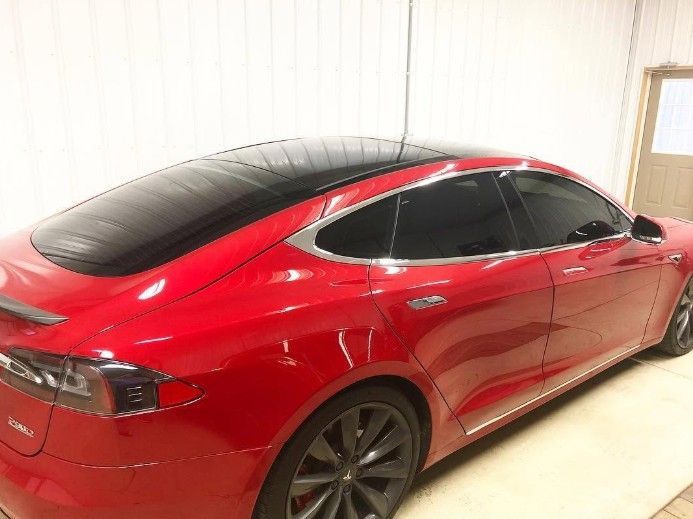
Choosing the right automotive tint in Pennsylvania requires more than deciding how dark you want your windows to look. Drivers need to consider visible light transmission, vehicle type, window location, factory glass, visibility, heat rejection, and Pennsylvania regulations before selecting a film. For most modern passenger cars, Pennsylvania guidance lists a minimum total visible light transmission of 70% for the windshield, front side windows, rear side windows, and rear window. Trucks and qualifying multipurpose passenger vehicles follow different rules for glass behind the driver. Therefore, anyone considering Car Window Tinting Pittsburgh should choose a shade only after confirming how the film and original glass work together. A professional installer can help drivers balance legal considerations with comfort, UV protection, glare reduction, privacy, and appearance.
At Prestige Auto Armor, we help drivers throughout Greater Pittsburgh approach window tint as both a functional and visual vehicle upgrade. Our Valencia, Pennsylvania shop offers XPEL PRIME CS, XPEL PRIME XR ceramic tint, and XPEL PRIME XR Plus for different budgets and heat-rejection goals. We also offer several film percentages, including 5%, 15%, 20%, 35%, 45%, 55%, and 70%. However, those numbers are options within the product range rather than a guarantee that every percentage is appropriate for every window. We encourage drivers to consider Pennsylvania requirements first and then select the XPEL film that gives them the comfort, appearance, and protection they want within an appropriate configuration.
What Is Automotive Window Tinting and What Does Tint Percentage Mean?
Automotive window tinting involves applying a thin film to vehicle glass to change how much visible light, UV radiation, glare, and solar energy pass into the cabin. Some films primarily improve appearance and privacy, while advanced ceramic films can provide significant heat rejection without requiring extremely dark glass. This distinction matters because many vehicle owners assume that darker tint always provides better heat protection. In reality, the technology inside the film has a major effect on performance. A lighter ceramic film can sometimes provide better infrared heat rejection than a much darker basic dyed film, which means drivers should evaluate more than appearance when choosing a package.
The percentage associated with window tint usually refers to visible light transmission, commonly shortened to VLT. A higher VLT percentage allows more visible light to pass through. Therefore, a 70% film appears much lighter than a 20% or 5% film. However, the final VLT of a tinted window depends on both the applied film and the vehicle’s existing glass. Factory automotive glass does not necessarily transmit 100% of incoming light. As a result, installing a film labeled with a certain percentage does not automatically mean the finished window will measure exactly that percentage. This is one reason professional guidance and measurement matter when legal compliance is a priority.
Pennsylvania Window Tint Laws Pittsburgh Drivers Should Understand
Pennsylvania Department of Transportation guidance establishes minimum light-transmittance levels for different vehicle types and window positions. For passenger cars from model year 1998 forward, PennDOT lists a 70% minimum total light transmittance for the windshield, front side windows, rear side windows, and rear window. In simple terms, at least 70% of the light reaching the finished window must pass through. For pre-1998 passenger cars, the rear-window requirement is treated differently under the applicable VESC-20 provision. Because older vehicles may have different requirements, owners of classic or older cars should confirm the rule that applies to their exact model year before selecting film.
Trucks and multipurpose passenger vehicles receive different treatment under PennDOT's current guidance. The windshield and front side windows must meet the 70% minimum, while PennDOT lists no minimum light-transmittance requirement for the rear side windows and rear window in these vehicle categories. Importantly, PennDOT defines a multipurpose passenger vehicle for this purpose as a vehicle built on a truck chassis or specifically designed for occasional off-road use. Therefore, drivers should not assume that every crossover or SUV automatically qualifies simply because it has an SUV-like body style. Vehicle classification needs to be considered before choosing substantially darker rear film.
Pennsylvania regulations also address the windshield. State regulations permit certain material along the upper edge when it remains transparent, does not encroach on the AS-1 area specified under federal glazing standards, and does not extend more than three inches from the top of the windshield. Because windshield tint can affect visibility and involves specific rules, drivers should not select a windshield strip based only on appearance. Instead, they should confirm the permitted location, finished light transmission, and any other applicable requirements before installation. Professional guidance becomes especially valuable when the vehicle already includes factory shading near the top of the windshield.
Why 70% VLT Does Not Simply Mean “Buy 70% Tint”
One of the most common misunderstandings surrounding Pennsylvania tint law is the assumption that a film labeled 70% automatically creates a legal 70% window. That is not necessarily true. Pennsylvania's standard concerns the total amount of light transmitted through the completed glazing system. In other words, the factory glass and the aftermarket film work together. If the original glass already reduces some visible light, adding another layer can reduce the finished VLT further. Therefore, drivers researching Car Window Tinting Pittsburgh should think in terms of final measured performance rather than relying only on the percentage printed on a film sample.
This distinction also explains why copying another driver's tint setup can create problems. Two vehicles may use the same film but have different factory glass. Likewise, the same vehicle may have different glazing characteristics across the windshield, front doors, rear doors, and rear glass. A film that works appropriately on one glass area may not produce the same finished result elsewhere. Therefore, a professional installer should evaluate the vehicle itself instead of making assumptions based solely on a generic shade chart. Understanding the entire glass-and-film combination helps drivers make a more informed decision while protecting visibility and preserving the look they want.
Why Pittsburgh Drivers Choose Professional Window Tinting
Window tint can do much more than make a vehicle appear darker or sportier. Quality automotive film can help manage solar heat, reduce glare, limit UV exposure, improve cabin privacy, and create a more consistent exterior appearance. These benefits can matter during daily commutes through Pittsburgh, longer highway trips, family transportation, and warmer days when a vehicle spends hours parked outside. However, the level of performance depends heavily on film technology. Therefore, selecting the right product can be just as important as choosing the right tint percentage.
Professional installation also contributes to the finished result. Vehicle windows have curves, seals, edges, rear defroster lines, sensors, and other details that require careful preparation and application. A poor installation can leave contamination, uneven edges, bubbles, creases, or premature lifting. In contrast, a trained installer prepares the glass carefully, shapes the film to the window, applies it cleanly, and inspects the completed work. Consequently, drivers receive an upgrade designed to look intentional rather than like an aftermarket film that was added without attention to fit or finish.
Who Should Consider Automotive Window Tint in Greater Pittsburgh?
Window tint can benefit many types of drivers, not only owners of performance or luxury cars. Daily commuters can value lower glare and improved cabin comfort. Parents may appreciate UV protection for passengers. Drivers who regularly park outdoors may want additional protection for interior materials exposed to sunlight. Truck and SUV owners may want a more consistent visual match between factory rear privacy glass and the front windows, provided the finished setup meets applicable requirements. Likewise, owners of premium vehicles may choose tint as part of a broader approach to maintaining appearance and creating a more comfortable driving environment.
Tint can also make sense for people who spend significant time behind the wheel. Sales professionals, business owners, service technicians, rideshare drivers, and frequent travelers can experience repeated sunlight and glare during daily driving. Therefore, the value of tint often comes from how frequently its benefits are experienced rather than from appearance alone. Instead of asking whether a vehicle is expensive enough to justify tint, a better question is how often the vehicle is used, how much direct sunlight enters the cabin, and what combination of comfort, UV protection, privacy, and appearance the owner wants.
Where Window Tint Can Be Applied on a Vehicle
A complete tint package does not always mean applying identical film to every piece of glass. Prestige Auto Armor offers solutions for front windows, side and rear glass, sunroofs, and window strips. Each area serves a slightly different purpose. Front side windows strongly influence driver visibility and direct sun exposure. Rear glass can affect passenger comfort and privacy. A large panoramic sunroof may introduce substantial sunlight from above. Meanwhile, a properly configured upper windshield strip can help with overhead glare when it fits applicable requirements. Therefore, coverage should reflect both the vehicle's glass layout and the driver's priorities.
When deciding which areas to tint, consider the following practical factors:
- Front side windows: These windows frequently expose the driver and front passenger to direct sunlight. However, because they are important for driving visibility, legal VLT requirements need careful attention before selecting film.
- Rear side windows: These areas can influence passenger comfort, privacy, and cabin heat. The applicable Pennsylvania requirements depend on whether the vehicle is classified as a passenger car, truck, or qualifying multipurpose passenger vehicle.
- Rear glass: Rear-window tint can support privacy and solar control. However, the driver's rearward visibility, mirror configuration, vehicle category, model year, and applicable Pennsylvania rules should all be considered.
- Sunroofs and panoramic roofs: Large roof glass can allow significant solar energy into the cabin. A quality film can help manage that exposure while allowing drivers to continue enjoying the open appearance of the roof.
- Windshield strips: A top strip can help reduce overhead glare, but Pennsylvania rules govern its placement and characteristics. Drivers should confirm the appropriate configuration instead of choosing a strip based solely on darkness.
Step-by-Step Process for Choosing a Legal Tint Shade
Choosing automotive tint should follow a logical process rather than starting with the darkest sample on a shade board. First, identify the vehicle classification and window locations. Next, understand Pennsylvania's current VLT requirements. Then evaluate the original glass, film technology, heat-rejection goals, and desired appearance. Finally, have the planned setup reviewed by a professional before installation. Following this process makes Car Window Tinting Pittsburgh easier to understand and reduces the chance of choosing a film solely because of how it looks.
- Step 1: Identify your vehicle category. Determine whether PennDOT treats your vehicle as a passenger car, truck, or qualifying multipurpose passenger vehicle. This matters because rear-window requirements differ. Do not rely only on marketing terms such as SUV or crossover. Instead, confirm the applicable classification so that you know which Pennsylvania light-transmittance standards apply to the front and rear portions of your vehicle.
- Step 2: Identify each window you want tinted. Decide whether you want the front two windows, all side and rear glass, a sunroof, a windshield strip, or another combination. Pennsylvania requirements vary by window location and vehicle category. Therefore, separating your coverage choices before selecting a shade makes it easier to develop a package that supports both appearance and compliance.
- Step 3: Consider the factory glass. Existing automotive glass can already reduce visible-light transmission. Consequently, the film percentage alone does not necessarily equal the finished VLT. Before committing to a specific percentage, discuss how the chosen film will interact with your vehicle's original glass and whether the completed window should be measured.
- Step 4: Choose film technology before darkness. Decide whether your priority is basic style and UV protection or higher ceramic heat rejection. XPEL PRIME CS, PRIME XR, and PRIME XR Plus provide different performance levels. A lighter high-performance ceramic film may better meet your comfort goals than choosing an extremely dark film simply to reduce heat.
- Step 5: Confirm the final configuration professionally. Before installation, review your chosen film, windows, shade, vehicle classification, and goals with an experienced installer. This final check allows questions to be addressed before film reaches the glass and helps create a cleaner, more informed plan.
Once you understand your vehicle and priorities, contact Prestige Auto Armor to discuss the appropriate XPEL configuration for your glass. Professional guidance can make the selection process clearer and help you avoid choosing a shade based on appearance alone.
Comparing XPEL PRIME CS, PRIME XR, and PRIME XR Plus
Prestige Auto Armor offers three XPEL window tint options for Greater Pittsburgh drivers, with each film designed around a different balance of budget, appearance, heat rejection, and everyday comfort. Although all three options can improve privacy, reduce glare, and help protect vehicle interiors from UV exposure, their heat-rejection performance differs significantly. Therefore, drivers should compare film technology before choosing a tint percentage. The best option depends on how much time the vehicle spends in direct sunlight, how important cabin cooling is, and how much the owner wants to invest in long-term comfort and performance.
XPEL PRIME CS: A Practical Choice for Style and Everyday Protection
XPEL PRIME CS is the most budget-friendly option in Prestige Auto Armor’s window tint lineup. It uses dyed film technology to create a clean, classic black appearance while providing useful protection for daily driving. PRIME CS blocks more than 99% of UV rays, which can help protect passengers and interior surfaces from repeated sun exposure. It also reduces glare and adds privacy without interfering with GPS, mobile phones, or other electronic signals. In addition, the film provides up to 28% infrared heat rejection. Although this is lower than the ceramic options, it can still improve comfort compared with untreated glass. PRIME CS is a strong choice for drivers who mainly want improved appearance, privacy, glare reduction, and UV protection while keeping costs more manageable. It is also backed by a lifetime warranty, which adds long-term value for drivers who want a reliable entry-level XPEL film.
XPEL PRIME XR: Premium Ceramic Tint for Stronger Heat Rejection
XPEL PRIME XR provides a major performance upgrade for drivers who want stronger heat control without moving to the highest-tier option. This premium ceramic window film uses advanced technology to reject up to 85% of infrared heat while also blocking 99% of harmful UV rays. As a result, it can help reduce the amount of solar heat entering the cabin during warm-weather driving and while the vehicle is exposed to direct sunlight. PRIME XR also provides clear outward visibility, long-lasting durability, and no interference with electronic signals. For Pittsburgh drivers who spend significant time commuting, transporting family members, or leaving their vehicle parked outdoors, PRIME XR offers a strong balance between performance and premium value. It is especially useful for drivers who want meaningful cabin-cooling benefits but do not necessarily need the maximum heat rejection available from the XPEL lineup. Like PRIME CS, PRIME XR is supported by a lifetime warranty for lasting performance.
XPEL PRIME XR Plus: Maximum Heat Rejection and Premium Performance
XPEL PRIME XR Plus is the highest-performance window film offered by Prestige Auto Armor. It is designed for drivers who want the strongest available heat rejection, excellent clarity, enhanced glare reduction, and a premium finished appearance. According to the available product information, PRIME XR Plus can reject up to 96% of infrared heat, making it the strongest cooling option among the three XPEL films offered by the shop. It also provides powerful UV protection and does not interfere with GPS, mobile devices, or other vehicle electronics. Because of its advanced performance, XR Plus can be especially valuable for vehicles with large glass areas, panoramic roofs, dark interiors, or frequent exposure to direct sunlight. Drivers who prioritize maximum cabin comfort and want a premium long-term solution may find XR Plus to be the most suitable choice. Its higher level of performance makes it particularly attractive for luxury vehicles, daily commuters, and drivers who want the best available combination of heat control, visibility, and appearance.
Which XPEL Window Tint Option Is Right for You?
The right XPEL film depends on your driving habits, comfort expectations, and budget. PRIME CS makes sense when appearance, privacy, UV protection, and affordability are the main priorities. PRIME XR provides a substantial improvement in infrared heat rejection and is well suited to drivers who want ceramic technology and stronger everyday cooling performance. PRIME XR Plus offers the highest level of infrared heat rejection and is designed for drivers who want maximum comfort and premium performance. Prestige Auto Armor also offers tint percentages ranging from 5% to 70%, allowing drivers to consider different appearances and levels of visible light transmission. However, the percentage selected should also account for Pennsylvania tint regulations, factory glass, and the specific window being treated. Speaking with the Prestige Auto Armor team can help you compare these factors and choose an XPEL window tint package that fits your vehicle, driving needs, and desired level of comfort.
Understanding the Available Shade Percentages
Prestige Auto Armor currently displays 5%, 15%, 20%, 35%, 45%, 55%, and 70% tint choices. These options allow significant flexibility in appearance and light transmission. However, they should never be interpreted as a statement that each percentage is legal on every window of every Pennsylvania vehicle. A 5% film, for example, creates a dramatically darker appearance than 70% film. Yet Pennsylvania's minimum VLT requirements and the vehicle's original glass must be considered before any percentage is selected for a particular window.
This is why a professional consultation is more useful than simply choosing from a digital shade chart. Drivers can start by explaining the look they prefer. Then the installer can discuss film technology, the vehicle's factory glass, and which areas may support that appearance while remaining mindful of applicable requirements. If your main objective is heat rejection rather than privacy, a premium ceramic film at a lighter percentage may provide a better solution than selecting the darkest available film.
What Does Professional Car Window Tinting Cost?
There is no single accurate price for every vehicle because professional tint pricing can change based on the film series, number and size of windows, vehicle design, coverage package, sunroof size, condition of the existing glass, and whether old aftermarket film requires removal. PRIME CS, PRIME XR, and PRIME XR Plus also represent different product and performance levels. Therefore, a basic front-two-window project can differ substantially from an all-sides-and-rear package using a premium ceramic product on a vehicle with large or complex glass.
Instead of publishing a generalized number that may not match your vehicle, Prestige Auto Armor provides quotes based on the actual service requested. Drivers can discuss whether they want a window strip, front-two-window coverage, all side and rear glass, sunroof film, or a broader package. This approach also gives the installer an opportunity to explain the differences between the XPEL products rather than reducing the decision to price alone. Drivers can request an estimate directly from Prestige Auto Armor or call to discuss their vehicle and tint goals.
How to Maintain Professionally Installed Window Tint
Quality film requires relatively simple care after installation. The most important period occurs immediately after the tint is applied because moisture used during installation needs time to dissipate while the film settles onto the glass. Your installer may advise you not to lower certain windows for a period after installation. Temporary haze or moisture patterns can also occur during curing. Therefore, follow the aftercare instructions you receive instead of pressing on the film, peeling at an edge, or attempting to remove temporary marks yourself.
For long-term maintenance, use soft microfiber towels and cleaners suitable for tinted automotive glass. Avoid abrasive materials, sharp tools, aggressive scraping, or harsh chemicals that could damage the film. Also take care when loading objects near tinted rear or side glass because hard edges can scratch the film from inside the vehicle. If an edge begins to lift or another issue develops, contact the installer instead of attempting a home repair. Correct maintenance can help preserve clarity, appearance, and performance throughout the usable life of the film.
Why Choose Prestige Auto Armor for Pittsburgh Window Tinting?
Selecting a premium film is only part of a successful tint project. Installation quality, product guidance, vehicle-specific planning, and aftercare also influence the experience. Prestige Auto Armor provides Car Window Tinting Pittsburgh drivers can customize around comfort, appearance, privacy, UV protection, and heat-rejection goals. From our Valencia, Pennsylvania location, we work with Greater Pittsburgh vehicle owners who want a clean installation supported by established XPEL products.
Our current XPEL lineup includes PRIME CS, PRIME XR ceramic tint, and PRIME XR Plus. We also offer multiple coverage choices, including front windows, side and rear glass, sunroofs, and window strips. In addition, Prestige Auto Armor states that XPEL services performed through the shop can be registered with CarFax, helping document qualifying vehicle enhancements in the vehicle's history. Most importantly, we can discuss the available options before installation so you understand the differences between shade percentage and film performance.
Drivers looking for professional Window Tint Installation Services in Pittsburgh, PA can also use the consultation to discuss special requests and vehicle-specific concerns. Rather than treating every car as identical, we can consider the vehicle's glass layout and how you use it. That approach is especially important when Pennsylvania tint requirements influence which configurations make sense for a specific window.
Conclusion
The right window tint balances legal requirements, visible-light transmission, vehicle classification, driving visibility, heat rejection, UV protection, privacy, and personal style. Pennsylvania currently lists a 70% minimum total light transmittance across the main glass areas of newer passenger cars, while trucks and qualifying multipurpose passenger vehicles have different requirements for windows behind the driver. Because VLT applies to the finished glazing system, drivers should not assume that the percentage printed on a film automatically represents the final measured window.
For that reason, professional Car Window Tinting Pittsburgh should begin with questions rather than a shade selection. Determine what type of vehicle you have, identify which glass you want treated, understand the applicable Pennsylvania requirements, consider your factory glass, and then compare film technology. XPEL PRIME CS offers an accessible combination of style, UV protection, and glare reduction. PRIME XR adds high-performance ceramic heat rejection, while PRIME XR Plus is designed for drivers who want the strongest heat-rejection performance available within Prestige Auto Armor's current lineup.
At Prestige Auto Armor, our services can be especially useful when you want the benefits of automotive tint but are unsure how shade, VLT, ceramic technology, factory glass, and Pennsylvania regulations fit together. We can help you compare XPEL products and coverage choices based on your vehicle and driving priorities. Whether you want greater cabin comfort, UV protection, reduced glare, added privacy, or a premium finished appearance, choosing the right film is more valuable than simply choosing the darkest film available.
Contact
Prestige Auto Armor today to discuss your vehicle, request a quote, and find an XPEL window tint configuration that fits your comfort, appearance, and driving needs in Greater Pittsburgh.