Window Tinting in Pittsburgh PA for Cooler Daily Drives
Professional window tinting in Pittsburgh PA can make everyday driving more comfortable by reducing solar heat, lowering glare, and helping protect passengers and interior materials from ultraviolet exposure. The key is choosing a quality automotive film and having it installed correctly. For Pittsburgh drivers who commute, run errands, transport family members, or park outdoors during warmer months, the right film can make the cabin feel more manageable without depending only on a very dark appearance. High-performance ceramic films can reject substantial infrared heat while maintaining clear outward visibility, so film technology matters just as much as the tint percentage selected for the glass.
Vehicle cabins can heat up quickly because sunlight passes through the glass and warms dashboards, seats, trim, consoles, and other interior surfaces. Those materials then release heat into the cabin, creating a warmer environment that the air-conditioning system must overcome. Therefore, a driver may feel the effects even after the vehicle starts moving. Side windows, rear glass, and large sunroofs can continue exposing occupants to direct sun during the trip. Quality window film helps reduce part of that solar load before it reaches the cabin, which can support a more balanced and comfortable driving experience during bright Pittsburgh afternoons.
Prestige Auto Armor serves Greater Pittsburgh drivers from its Valencia, Pennsylvania location and offers professionally installed XPEL films for different comfort, appearance, privacy, and performance goals. Rather than treating tint as a cosmetic upgrade alone, the team focuses on practical protection for everyday vehicles. Drivers considering window tinting in Pittsburgh PA can compare XPEL PRIME CS, PRIME XR, and PRIME XR Plus, along with several tint percentages and coverage options. Prestige Auto Armor also offers XPEL Window Tint Installation Services in Pittsburgh, PA for front windows, side and rear glass, sunroofs, and window strips, giving customers flexibility based on how they use their vehicles.
Why Vehicle Cabins Get So Hot During Pittsburgh’s Warmer Months
Automotive glass gives drivers visibility, but it also creates a large path for solar energy to enter the cabin. Once sunlight reaches dark dashboards, leather seats, plastic trim, or other surfaces, those materials absorb energy and contribute to interior heat. Large glass areas can make the effect stronger, especially in vehicles with panoramic roofs. Air conditioning helps after the heat has entered, while window film works earlier by reducing part of the solar energy passing through the glass. Therefore, both systems can work together. The film helps manage incoming heat, while the climate-control system cools and circulates the cabin air.
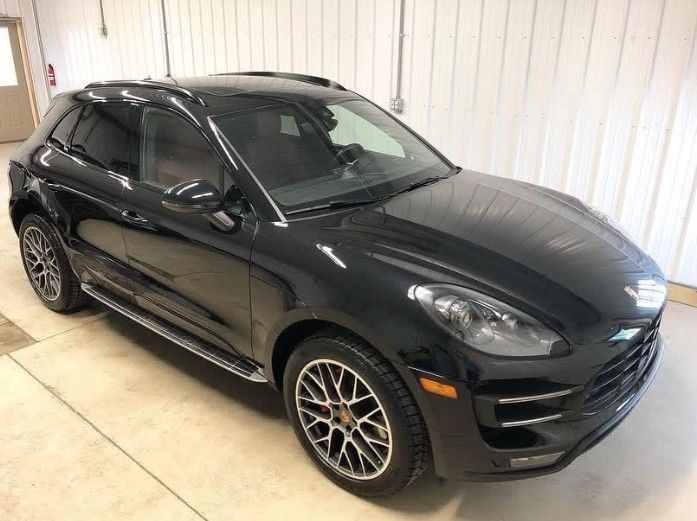
Practical Benefits of Professional Window Tint for Daily Drivers
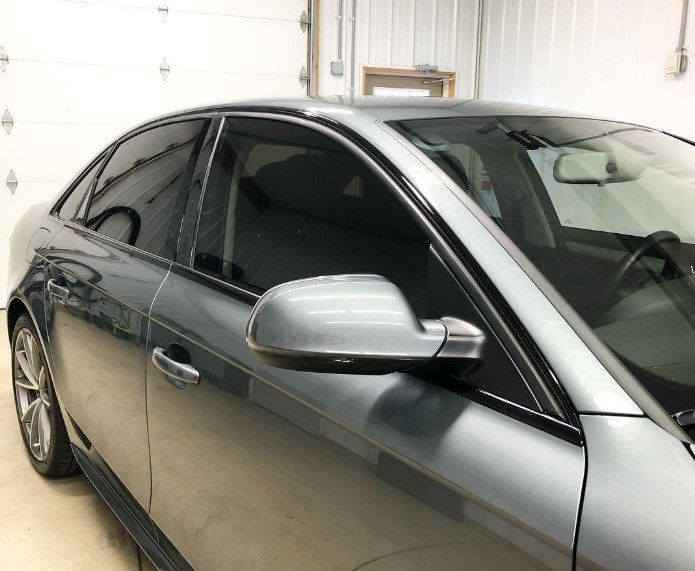
Most people first notice window tint because of its appearance. However, a high-quality film can serve several practical purposes at once. A professional installer can help match the film type and shade to the driver’s priorities, the vehicle’s existing glass, and the areas that receive the most direct sun. That creates a more useful result than choosing film only because it looks dark in a sample. For daily driving, the strongest value usually comes from combining heat management, UV protection, glare reduction, privacy, and a clean appearance in one professionally installed system.
- Reduced solar heat: High-performance film can reject a meaningful amount of infrared heat before it becomes part of the cabin heat load. This can make sunny drives feel more manageable, especially when one side of the vehicle receives direct sun for long periods.
- UV protection: The XPEL films offered by Prestige Auto Armor are designed to block more than 99% of harmful UV rays. That adds another protective layer for passengers and for interior materials that receive repeated sun exposure.
- Lower glare: Tint can soften intense brightness entering through side and rear glass. As a result, drivers may experience a more comfortable field of view during bright daytime travel without depending only on sunglasses or sun visors.
- Added privacy and appearance: A well-selected tint can give the vehicle a more finished look while reducing direct visibility into the cabin. The result can look integrated rather than overly dark or mismatched with the rest of the vehicle.
Understanding the XPEL Window Film Options at Prestige Auto Armor
Prestige Auto Armor offers three XPEL film categories for different budgets and performance goals. PRIME CS focuses on style, UV protection, and value. PRIME XR adds ceramic technology for much stronger heat rejection. PRIME XR Plus provides the highest heat-rejection performance in the lineup offered by the shop. Therefore, drivers should compare film technology before choosing a tint percentage. Two films can look similar in darkness but perform very differently when exposed to solar heat. Understanding that difference can lead to a better choice for a vehicle that sees regular warm-weather commuting.
XPEL PRIME CS for Style, UV Protection, and Value
XPEL PRIME CS is a dyed film designed for drivers who want a classic black appearance, reliable durability, glare reduction, and added privacy at a more accessible price point. Based on the service information provided by Prestige Auto Armor, PRIME CS blocks more than 99% of UV rays and provides up to 28% infrared heat rejection. It also avoids the signal interference associated with some metallic film technologies. Therefore, PRIME CS can be a practical choice when appearance and everyday protection matter more than ceramic-level heat rejection. It is also backed by a lifetime warranty, supporting long-term ownership when the film is professionally installed and properly maintained.
XPEL PRIME XR for Strong Ceramic Heat Rejection
XPEL PRIME XR uses ceramic technology and is designed for drivers who want a substantial increase in heat management. Prestige Auto Armor lists PRIME XR at up to 85% infrared heat rejection while also blocking 99% of harmful UV rays. Because the film uses ceramic technology, it can deliver high performance without interfering with GPS or phone signals. This makes it well suited to modern vehicles that rely on connected devices and integrated electronics. For many Pittsburgh commuters, PRIME XR may provide a strong middle ground between premium cooling performance, clear visibility, long-term durability, and an appearance that can be adjusted through different tint percentages.
XPEL PRIME XR Plus for Maximum Cooling Performance
XPEL PRIME XR Plus is the highest-performance option listed by Prestige Auto Armor. It provides up to 96% infrared heat rejection, along with strong UV protection, glare reduction, and clear outward visibility. Therefore, it is designed for drivers who want to prioritize cabin comfort and solar control at the highest available level in the XPEL lineup offered by the shop. XR Plus may appeal to owners whose vehicles spend significant time parked outside, have large glass areas, or regularly carry passengers who value a cooler-feeling cabin. It also avoids electronic signal interference and carries a lifetime warranty, making it a premium long-term choice.
Heat Rejection and Tint Darkness Are Not the Same Thing
One of the most useful concepts for a vehicle owner to understand is that tint darkness and heat rejection are separate decisions. A darker film allows less visible light through the glass, which affects appearance, privacy, and visibility. Heat rejection depends heavily on the film’s construction and technology. Therefore, a lighter ceramic film may deliver stronger heat management than a darker basic dyed film. This matters when selecting window tinting in Pittsburgh PA because many drivers want a cooler interior without choosing the darkest glass available. A professional consultation can separate these goals and help the driver compare film series before settling on a final shade.
Prestige Auto Armor lists several available tint percentages, including 5%, 15%, 20%, 35%, 45%, 55%, and 70%. However, those numbers should not be treated as a simple scale where lower automatically means better. The right choice depends on the window location, vehicle type, existing factory glass, Pennsylvania requirements, desired privacy, and how much visible light the driver wants to retain. In addition, film series can change performance significantly. A driver may decide that a lighter PRIME XR or XR Plus configuration better matches the goal of heat rejection and visibility than a much darker entry-level film. The installer can help evaluate those tradeoffs before work begins.
How to Choose the Right XPEL Window Tint for Your Vehicle
Choosing film becomes easier when the decision starts with driving habits rather than appearance alone. First, think about where the vehicle spends most of the day. Next, consider how many passengers regularly ride in it, how much glass the cabin has, and whether direct sun causes frequent discomfort. Then compare performance levels and visible-light preferences. Finally, discuss coverage with the installer. Prestige Auto Armor’s XPEL Window Tint Film options allow drivers to build a package around these priorities rather than relying on a one-size-fits-all recommendation.
- Define the main goal first. Decide whether the top priority is a cooler cabin, glare reduction, UV protection, privacy, visual style, or a balanced combination of several benefits.
- Compare film technology before shade. PRIME CS, PRIME XR, and PRIME XR Plus provide different infrared heat-rejection levels, so the strongest cooling choice may not be the darkest-looking option.
- Review the glass areas that need coverage. Front windows, side and rear glass, sunroofs, and window strips contribute differently to comfort. A large panoramic roof may deserve as much attention as the side glass.
- Discuss legal and visibility needs. The final configuration should meet applicable Pennsylvania requirements and support safe outward visibility. Existing factory glass should also be considered before a film percentage is chosen.
Step-by-Step: What to Expect From a Professional Window Tint Installation
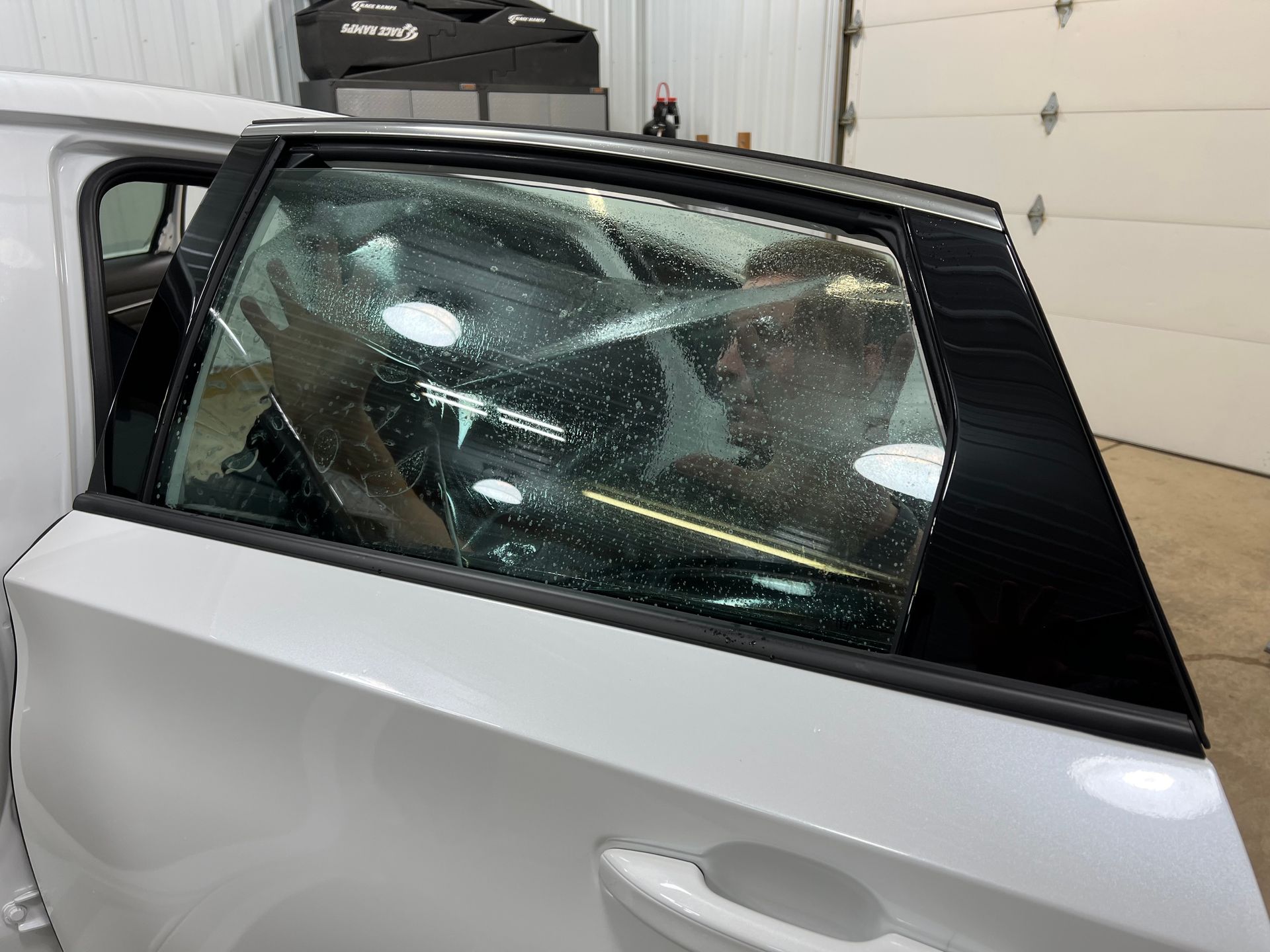
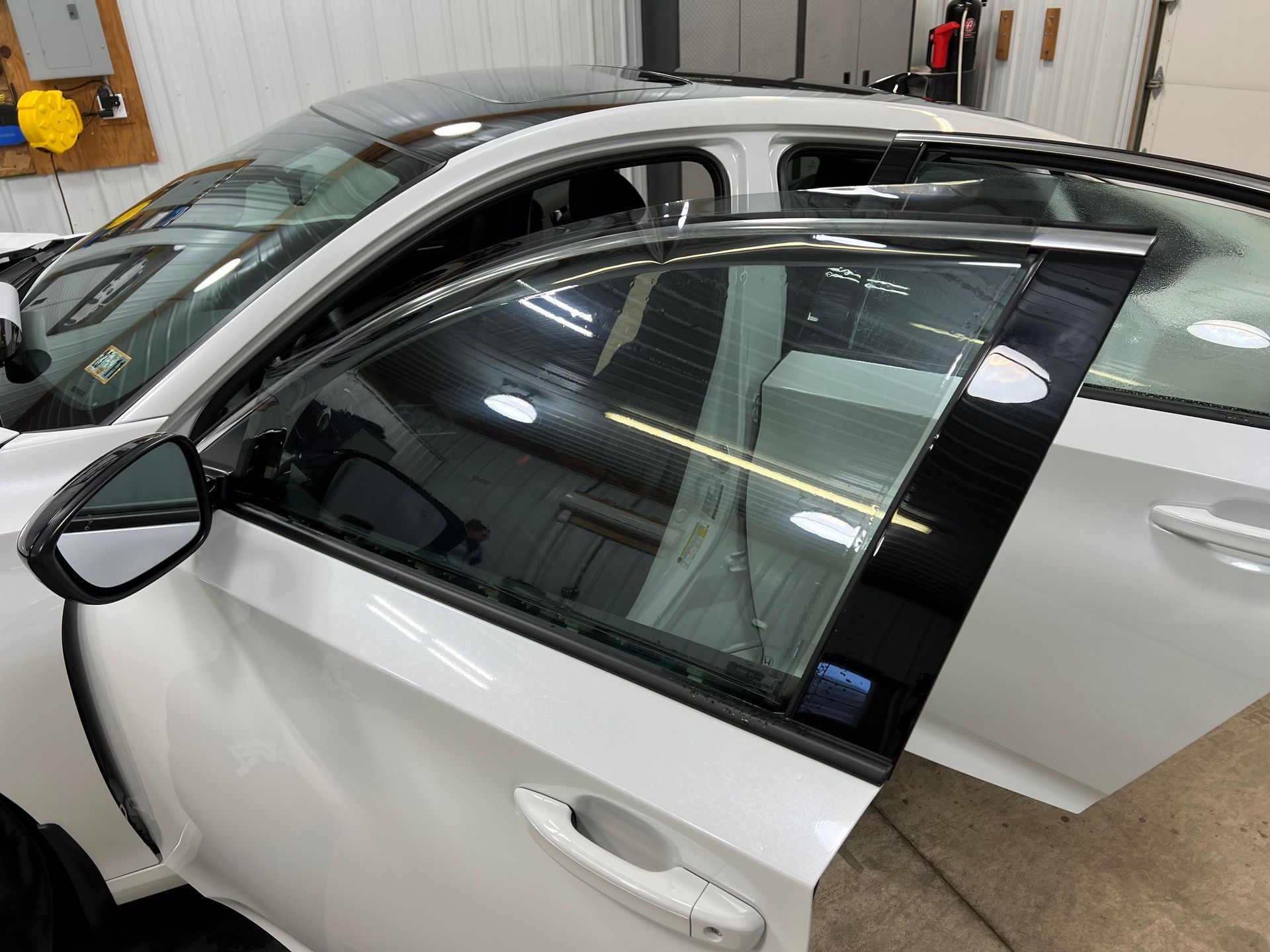
Automotive window film must fit curved glass, tight seals, door panels, rear defroster lines, and other vehicle-specific details. Therefore, professional installation affects both appearance and long-term performance. A quality appointment should begin with planning, not with film being applied immediately. The installer first needs to understand the vehicle, the customer’s priorities, and the desired appearance. After that, careful preparation becomes critical because dust, residue, or poor glass cleaning can affect the finish. The film is then shaped, positioned, applied, inspected, and allowed to begin curing under controlled conditions.
- Consultation and selection: The installer reviews comfort goals, desired appearance, coverage areas, tint percentage, and the differences among PRIME CS, PRIME XR, and PRIME XR Plus.
- Glass preparation: Each window receives thorough cleaning so oils, residue, dust, and other contaminants do not become trapped beneath the film during application.
- Precision fitting and application: The film is shaped for the specific glass and installed with close attention to edges, seals, curvature, and components such as rear-window defroster lines.
- Final inspection: The installer checks alignment, surface consistency, edges, and visible imperfections before the vehicle leaves the shop.
- Aftercare guidance: The customer receives instructions about curing time, window operation, cleaning methods, and what temporary moisture patterns or haze may be normal.
Prestige Auto Armor offers coverage for front windows, all sides and rear glass, sunroofs, and window strips. That flexibility allows the team to address a specific comfort concern or create broader cabin protection. The company also states that XPEL services performed through the shop can be registered with CarFax, adding documentation to the vehicle’s service history. Drivers seeking
window tinting in Pittsburgh PA can use the consultation stage to compare coverage and film technology together. That makes it easier to choose a package based on how the vehicle is actually used rather than simply selecting the first available option.
Pennsylvania Window Tint Rules Should Be Part of the Decision
Pennsylvania regulates vehicle window tint, so legal compliance needs to be part of the selection process. The allowed light transmittance can depend on the vehicle type and the location of the glass. In addition, the vehicle’s existing factory glass can affect the final amount of visible light that passes through after film is installed. Therefore, a film percentage should never be viewed in isolation. Drivers should review current Pennsylvania requirements for their specific vehicle and discuss them with a professional installer before choosing a final shade, especially when considering darker options for front or passenger-car windows.
Regulations can also change over time, and limited exemptions may apply in certain circumstances. For that reason, vehicle owners should rely on current PennDOT guidance or other official Pennsylvania sources instead of social media photos, forum comments, or assumptions based on vehicles they see on the road. A careful installer can help explain how the intended film works with existing glass and where legal limits affect the package. That approach allows the customer to balance heat rejection, privacy, appearance, safe visibility, and compliance before installation rather than dealing with avoidable questions after the tint is already on the vehicle.
How to Care for New Window Tint After Installation
After installation, the film needs time to settle and cure. Therefore, drivers should follow the installer’s instructions before lowering newly tinted windows or cleaning the inside glass. Temporary haze or small moisture patterns can sometimes appear while the film dries, depending on conditions and the product used. Instead of pressing on the film or trying to correct an edge at home, the safer choice is to leave it alone and contact the installer if something still looks unusual after the normal curing period. Simple aftercare helps protect the finish during its most sensitive stage.
- Wait before lowering windows: Follow the installer’s recommended curing period before operating roll-down windows that received new film.
- Use tint-safe cleaners: Avoid harsh or abrasive chemicals that may damage the film surface or leave it cloudy.
- Choose soft microfiber towels: Gentle cleaning materials help reduce the risk of scratching the film during normal interior glass care.
- Avoid scraping or picking edges: Sharp tools, hard scrubbing, and fingernails can damage the surface or lift film near the perimeter.
- Ask before attempting a repair: If a mark, edge, or bubble looks unusual after curing, contact the installer rather than trying a home correction.
Why Choose Prestige Auto Armor for XPEL Window Tint
A premium film performs best when the installer understands both the product and the vehicle. Prestige Auto Armor gives Greater Pittsburgh drivers access to multiple XPEL film levels, several tint percentages, and coverage choices for different glass areas. The team can help customers determine whether their main priority is heat rejection, UV protection, privacy, glare reduction, appearance, or a combination of those goals. That consultation reduces guesswork and helps customers understand why PRIME CS, PRIME XR, and PRIME XR Plus can deliver different results even when two films appear similar in darkness.
When our services match your goals, Prestige Auto Armor can help you choose a package for front windows, side and rear glass, a sunroof, a window strip, or broader vehicle coverage. This makes the service useful for commuters, family vehicles, trucks, SUVs, luxury cars, and other daily drivers throughout Greater Pittsburgh. More importantly, the goal is not simply to make the glass darker. It is to choose an XPEL film and coverage plan that can improve comfort, support UV protection, control glare, and complement the vehicle’s appearance while fitting the way you actually use it.
Conclusion
A cooler-feeling vehicle starts with controlling how much solar energy enters through the glass. Quality tint can reduce infrared heat, block UV rays, lower glare, improve privacy, and give the vehicle a more refined appearance. However, the best result depends on choosing the right film rather than simply choosing the darkest shade. XPEL PRIME CS, PRIME XR, and PRIME XR Plus provide different levels of performance, while professional installation helps the film fit cleanly and function as intended. For anyone considering window tinting in Pittsburgh PA, the strongest approach is to match film technology, tint percentage, and coverage to the vehicle’s real daily use.
Prestige Auto Armor can help Greater Pittsburgh drivers compare XPEL options and build a package around commuting habits, passenger comfort, glass layout, desired appearance, and Pennsylvania requirements. Whether the goal is stronger ceramic heat rejection, better UV protection, a more comfortable sunroof, or a cleaner match between front and rear glass, the service can be tailored to the vehicle. Instead of treating tint as a simple styling accessory, consider it a practical layer of everyday comfort and interior protection. Contact Prestige Auto Armor today to request a quote and choose an
XPEL window tint package that can make your next Pittsburgh drive cooler, more comfortable, and better protected.